About us
GeneBEcon is a Horizon
Europe-funded project
It will examine the innovation potential of gene editing in enabling a sustainable bioeconomy in Europe. Through the application of this technology in potato and microalgae, GeneBEcon intends to promote energy-efficient, low-input, and improved agricultural production and industrial processing for a sustainable bioeconomy.
The project is coordinated by the Swedish University of Agricultural Sciences (SLU, Sweden) and started on September 2022.



Scope of the project
GeneBEcon has been funded under the Horizon Europe programme destination ‘Clean environment and zero pollution’ focusing on circular bio-based systems in industrial sectors along value chains and supply chains of biological feedstock.
In GeneBEcon, we are researching and innovating using New Genomic Techniques (NGTs) to provide farmers and biobased industries with climate-friendly and improved agricultural and aquaculture solutions.
GeneBEcon’s results aim to support the European Green Deal, the circular economy action plan, and the bioeconomy strategy. We will use our project’s results to inform scientists, policymakers, plant breeders, farmers, industry and consumers.

The innovation potential of NGTs is fully exploited only if economic, social, and regulatory drivers coalesce and are accompanied by transparent communication and inclusive stakeholder engagement.
The research in GeneBEcon has two facets. First, the technical potential is explored by applying gene editing to develop 1) a virus-resistant higher quality starch potato phasing out chemical food processing, and 2) microalgae-based production of high value compounds using the residual biomass as animal feed . Second, the regulatory aspects, data safety requirements, economic incentives, and social perceptions are investigated.
The results will facilitate technical innovations, as well as allow stakeholders (including researchers, breeders, primary producers, value chain actors, risk assessors and decision makers) to take informed decisions on the responsible use of NGT-derived products. GeneBEcon has a multi-sectoral consortium and the project links to relevant stakeholders through a Stakeholder Advisory Board. This will, through communication and inclusive engagement, create awareness about NGTs and their application.


Consortium
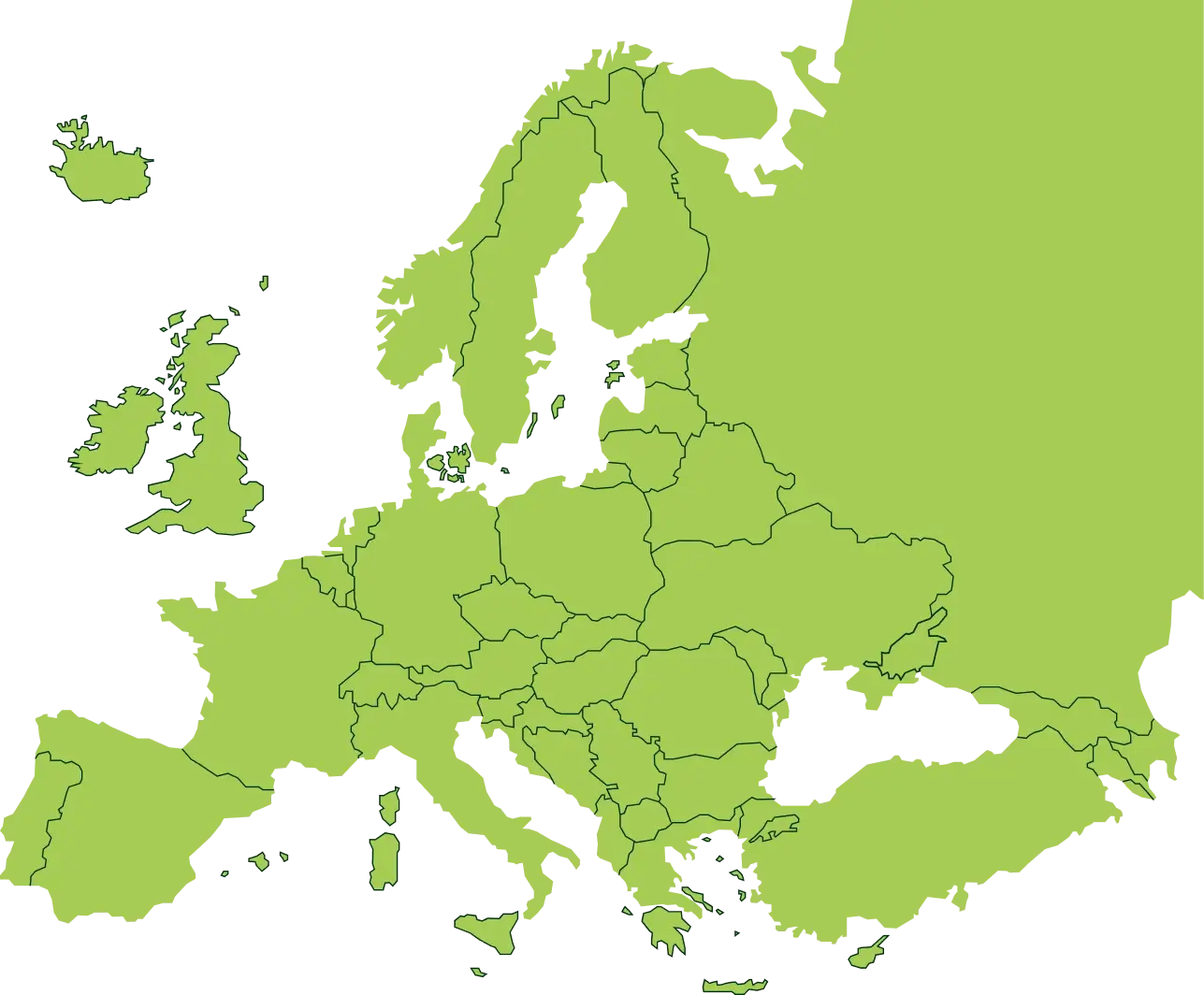
GeneBEcon involves a multi-sectoral consortium with 18 partner organisations from 11 European countries and is characterised by an interdisciplinary and multi-actor systems approach.